ISO 17025 Structural Testing, Curved Architectural Joinery, and Export VAT Rebate Mechanics for the Import and Export of Kitchen and Bathroom Cabinets in Turkey
Sustaining institutional profitability and engineering credibility in the import and export of kitchen and bathroom cabinets in Turkey requires harmonizing certified laboratory product validation, advanced three-dimensional panel forming, and Turkish tax-rebate cash-flow recovery.
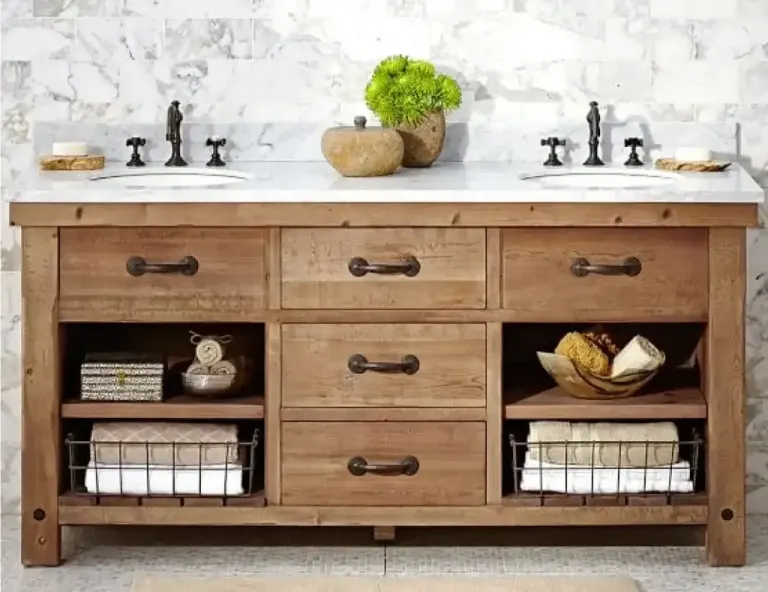
Positioned at the commercial intersection of European retail distribution, North American multi-family construction, and Istanbul’s high-value architectural design corridor—spanning Sarıyer, Beşiktaş, Levent, and Kadıköy—Turkey’s cabinetry sector competes directly with established German and Italian joinery producers. While Turkish exporters ship high-volume modular kitchens and wet-room bathroom vanities globally, Turkish luxury importers and coastal developers simultaneously bring ultra-bespoke European curved culinary islands, natural stone-veneer cabinetry fronts, and architectural hardware systems into Istanbul and Aegean resort developments.
Mastering the import and export of kitchen and bathroom cabinets in Turkey at an enterprise level leaves zero room for unverified load ratings, structural delamination in curved architectural profiles, or trapped working capital in unrecovered export Value Added Tax (KDV İadesi). When an export-oriented Turkish cabinet factory purchases millions of Turkish Lira worth of domestic MDF, polyurethane lacquers, packaging cartons, and logistics services subject to 20% domestic VAT—and subsequently exports the finished cabinets at 0% VAT (zero-rated export exemption under Article 11/1-a of Turkish VAT Law No. 3065)—efficiently reclaiming that input VAT via cash refund or tax-offset (mahsup) directly determines net operating margin. Equally vital, backing export submittals with accredited TÜRKAK / ISO 17025 laboratory test reports and engineering complex curved or stone-laminated fronts to survive extreme transit stresses separates tier-one suppliers from commodity workshops. This technical reference manual examines accredited laboratory testing protocols, curved and stone-veneer joinery engineering, Turkish export VAT refund mechanics, and international showroom merchandising systems governing the import and export of kitchen and bathroom cabinets in Turkey.
1. Accredited Structural & Mechanical Laboratory Testing (TÜRKAK / ISO 17025)
International retail conglomerates, public housing authorities, and commercial general contractors rarely accept self-declared factory quality claims when executing contracts in the import and export of kitchen and bathroom cabinets in Turkey. Winning institutional tenders requires test certificates issued by laboratories accredited under ISO/IEC 17025 by TÜRKAK (Turkish Accreditation Agency)—which holds full Mutual Recognition Arrangement (MRA) status with ILAC (International Laboratory Accreditation Cooperation) and EA (European Co-operation for Accreditation).
Mandatory Mechanical & Physical Test Protocols for Export Cabinetry
1. Wall-Mounted Cabinet Overload & Shear-Anchor Verification (EN 14749 / EN 16122):
• Upper kitchen cabinets and floating bathroom vanities are mounted on calibrated test rigs and loaded incrementally across shelves and bottom panels up to 1.5x to 2.0x rated service load (typically 120 kg to 160 kg per linear meter) for 7 days.
• Inspectors measure permanent shelf deflection (must remain < L/200, where L is span width), back-panel groove integrity, and concealed hanging-bracket deformation.
2. Horizontal & Vertical Impact Slamming Tests (EN 15570 & EN 15338):
• Pivoting cabinet doors undergo 40,000 to 200,000 automated open-close cycles with additional 10 kg to 30 kg vertical overload weights suspended from the outer door corner—verifying that 35mm hinge cup screws do not pull out of 18mm MDF or particleboard stiles.
• Fully extended tandem drawer boxes loaded at 30 kg to 65 kg undergo high-speed horizontal slam-shut endurance testing to validate soft-close hydraulic damper longevity.
3. Cross-Cut Adhesion & Surface Hardness Testing (ISO 2409 & EN 15186):
• For lacquered fronts (lake kapak) and acrylic/PET laminated doors, laboratories perform ISO 2409 Cross-Cut Tape Adhesion Tests (requiring Classification 0 or 1, zero lattice flaking) and EN 15186 Diamond-Tip Scratch Resistance Tests (requiring ≥ 1.5 N to 3.0 N scratch resistance for high-traffic kitchen work zones).
2. Curved Architectural Joinery & Natural Stone-Veneer Front Engineering
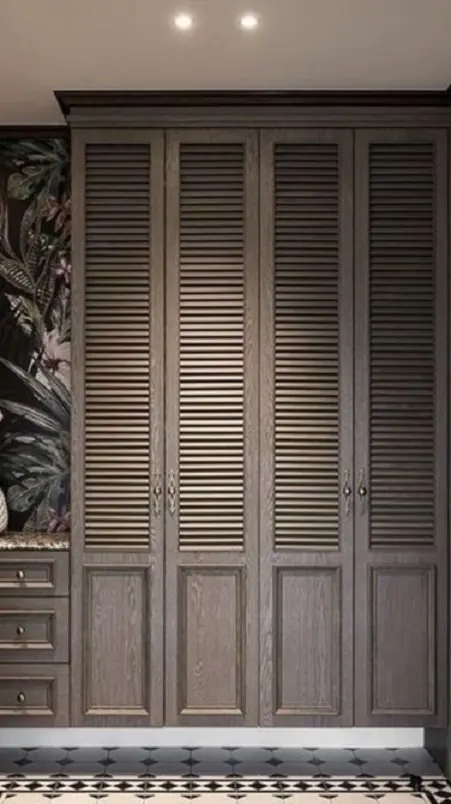
A defining design trend across luxury showrooms in Istanbul (Sarıyer, Etiler, Bağdat Caddesi) as well as Milan, London, Miami, and Dubai is organic curved cabinetry (radiused island end-caps, fluted cylindrical vanity bases, and curved tall pantry columns) alongside ultra-thin natural slate/marble-veneer cabinet doors. Engineering these geometries for cross-border trade in the import and export of kitchen and bathroom cabinets in Turkey requires specialized pressing and substrate mechanics.
Technical Fabrication Matrix for Advanced Architectural Fronts
Architectural Front System Core & Laminate Construction Turkish CNC & Pressing Methodology Transit & Climate Stability Safeguards
Radiused & Cylindrical Curved Lacquered Panels Multi-layer 3mm–4mm flexible kerf-cut MDF (esnek MDF) cold-pressed or vacuum-molded over CNC-milled male/female timber formers using rigid 2K polyurethane structural adhesive. 5-axis CNC perimeter trimming + robotic multi-coat aliphatic 2K polyurethane lacquer spraying. Minimum 4-layer cross-laminated core thickness (18mm–22mm total) prevents spring-back warping during maritime humidity shifts.
Fluted / Reeded Solid-Wood & Veneered Tambour Fronts Kiln-dried solid European oak/walnut slats or 0.6mm architectural wood veneer bonded onto woven cotton/resin-impregnated backing fabric. Precision multi-spindle molding profiles milled to ±0.1mm pitch tolerance; sealed on all six faces with matte catalyzed acrylic varnish. Acclimated to 6.5%–8.0% equilibrium moisture content prior to wrapping in vapor-barrier PE film.
Ultra-Thin Natural Stone-Veneer Cabinet Doors 1.5mm–2.0mm real metamorphic slate, quartzite, or marble peel reinforced with fiberglass-polyester backing resin, laminated onto 16mm honeycomb aluminum or moisture-resistant P5 MDF. Vacuum-membrane pressed with reactive PUR adhesive + 1.5mm anodized bronze/black aluminum edge framing to protect perimeter stone edges. Reduces door weight by 75% vs. solid stone slabs, allowing standard 35mm heavy-duty concealed hinges without sagging.
3. Turkish Export VAT Refund (KDV İadesi) & Cash-Flow Optimization Mechanics
For Turkish cabinetry manufacturers, architectural joinery exporters, and foreign-invested factories operating in Turkey, reclaiming input Value Added Tax is a critical financial lever in the import and export of kitchen and bathroom cabinets in Turkey.
How Export VAT Recovery Works Under Turkish Tax Law No. 3065
1. Zero-Rated Export Exemption (İhracat İstisnası — Article 11/1-a):
• Domestic purchases of raw MDF/particleboard, polyurethane lacquers, packaging boxes, domestic trucking, and electricity incur 20% VAT (KDV), while export sales of finished kitchen and bathroom cabinets are invoiced abroad at 0% VAT.
• Exporters accumulate substantial Refundable VAT (İade Edilebilir KDV) balances capped at 20% of the FOB export value (yüklenilen KDV).
2. Two Primary Recovery Pathways:
• Tax & Social Security Offset (Mahsuben İade): Exporters offset accumulated VAT credits directly against monthly corporate income taxes, employee withholding taxes (muhtasar), and SGK social security premiums without requiring a Certified Public Accountant (Yeminli Mali Müşavir – YMM) report or bank guarantee up to statutory thresholds—delivering immediate monthly payroll liquidity.
• Direct Cash Refund (Nakden İade): Exporters receive direct cash transfers from the Turkish Revenue Administration (Gelir İdaresi Başkanlığı – GİB) upon submitting a YMM VAT Refund Certification Report or posting a bank letter of guarantee (with YYS / AEO or HIS — Hızlandırılmış İade Sistemi certified exporters receiving cash refunds within 5 to 10 business days against reduced 4%–8% guarantee ratios).
3. Export-Registered Sales (İhraç Kayıtlı Teslim — Article 11/1-c):
• When a Turkish cabinet manufacturer sells finished kitchens to an Export Trading Company (Dış Ticaret Sermaye Şirketi or sectoral export house) in Istanbul or Bursa for export within 3 months, the manufacturer invoices with suspended VAT (tecil-terkin), eliminating upfront VAT cash drain for the export intermediary.
4. International Showroom Merchandising & B2B Sample Kit Architecture
Whether a Turkish manufacturer is supplying display units to 50 partner retail showrooms across Germany, the UK, and the US, or a European luxury brand is outfitting a flagship culinary studio in Istanbul’s Sarıyer or Nişantaşı districts, systematic Showroom Merchandising & Sample Governance drives B2B conversion rates in the import and export of kitchen and bathroom cabinets in Turkey.
Engineering High-Conversion Architectural Sample Libraries
• Standardized Swatch Towers & Mini-Corner Cutaways: Instead of shipping bulky full-size base cabinets to prospective distributors, export-oriented Turkish factories ship airline-cabin-sized Architectural Specifier Sample Cases containing:
• 120mm × 180mm labeled swatches of excimer matte PET, high-gloss acrylic, 2K lacquer, and synchronized melamine decors.
• A CNC-sectioned corner cutaway block exposing the internal 18mm P5 moisture-resistant core, zero-joint PUR edgeband fusion line, 8mm grooved back panel, and concealed steel hanging bracket—allowing architects and buyers to verify internal build quality in seconds.
• Showroom Display Co-Financing (Teşhir Desteği): Turkish exporters routinely grant authorized international retail distributors a 30% to 50% discount on showroom display kitchens and bathroom vanities, credited back against the distributor’s first three full-container commercial orders.
5. Frequently Asked Questions (ISO 17025 Testing, Curved Joinery & Export VAT Refunds)
Which laboratory accreditation ensures Turkish cabinet test reports are accepted in Europe and North America?
Test reports issued by laboratories accredited under ISO/IEC 17025 by TÜRKAK (Turkish Accreditation Agency) carry international Mutual Recognition (ILAC/EA MRA), ensuring structural load (EN 14749), hinge/drawer endurance (EN 15570 / EN 15338), and surface scratch/adhesion results are accepted globally.
How do Turkish manufacturers make real stone-front kitchen and bathroom cabinets lightweight enough for standard hinges?
Factories laminate 1.5mm–2.0mm natural slate, marble, or quartzite stone veneers (reinforced with fiberglass resin) onto 16mm aluminum honeycomb or moisture-resistant MDF cores framed in anodized aluminum—reducing door weight by 75% compared to solid stone slabs.
How quickly can Turkish cabinet exporters reclaim the 20% VAT paid on domestic raw materials?
Exporters can immediately offset accumulated input VAT against monthly tax and SGK social security obligations (mahsuben iade), or obtain direct cash refunds (nakden iade) within 5 to 10 business days under Turkey’s Accelerated Refund System (HIS) or YMM certification protocols.
What is an Export-Registered Sale (İhraç Kayıtlı Satış) in Turkish cabinetry trade?
Under Article 11/1-c of Turkish VAT Law No. 3065, a Turkish cabinet factory selling to a domestic export trading company can invoice with suspended 20% VAT (tecil-terkin), provided the trading company exports the cabinets within three months—preserving working capital for both parties.